
Palo Alto Live Free Demo!
Starts 2nd August @10 AM IST | By Amar Singh | Live + Lab Access + Certification Support.

Cisco certifications are the best way to take your Networking Career to the next level. Knowing the cost of these certifications helps you plan better. Before enrolling in any Cisco Certification training course, one should be familiar with different Cisco Certifications and their costs.
In this article, you will know the costs of different Cisco certifications, from entry-level CCNA to expert-level CCIE. Whether you're just starting an IT career or have years of experience, this guide will help you understand the financial investment needed for Cisco certifications.
Cisco CCNA Exam Fees
To appear in the associate level of Cisco CCNA certification exam, aspirants must pay the CCNA exam fees. Indian candidates need to pay 195 USD for the CCNA 200-301 exam.
Get CCNA Certified! Training Class Starts SoonExpert-Led Sessions >> Lab & Forum Support >Certification Preparation Register Now

Cisco CCNP Exam Fees
To appear in the professional level of Cisco certification exams, aspirants must pay the CCNP exam fees for different paths.
CCNP Enterprise
Core exam (required):
Aspirants have to pass required core exam (mandatory). CCNP Enterprise core exam code is 350-401 ENCOR. You need to pay 400 USD to be appear in this exam.
Concentration exams (Choose one to pass as your interest):
● 300-410 ENARSI: This exam will test your skills in Cisco enterprise advance routing and services. Aspirants need to pay 300 USD to be appeared in this exam.
● 300-415 ENSDWI: This exam will test your skills in implementing Cisco SD-WAN solutions. Aspirants need to pay 300 USD for this exam.
● 300-420 ENSLD: This exam will test your skills in designing Cisco enterprise networks. You need to pay USD 300 to appear in this exam.
● 300-425 ENWLSD: This exam will test your skills in designing Cisco enterprise wireless networks. To be appeared in this exam you need to pay 300 USD.
● 300-430 ENWLSI: This exam will test your skills in implementing Cisco enterprise wireless networks. You need to pay USD 300 to appear in this exam.
● 300-435 ENAUTO: This exam will test your automation implementation skills for Cisco enterprise solutions. To appear in this exam you need to pay only 300 USD.
To know about our certification training courses contact learner advisors.

CCNP Security
Core exam (required):
● 350-701 SCOR: 400 USD
Concentration exams (Choose one to pass as your interest):
● 300-710 SNCF: 300 USD
● 300-715 SISE: 300 USD
● 300-720 SESA: 300 USD
● 300-725 SWSA: 300 USD
● 300-730 SVPN: 300 USD
● 300-735 SAUTO: 300 USD
CCNP Data Center
Core exam (required):
● 350-601 DCCOR: 400 USD
Concentration exams (Choose one to pass as your interest):
● 300-610 DCID: 300 USD
● 300-615 DCIT: 300 USD
● 300-620 DCACI: 300 USD
● 300-625 DCSAN: 300 USD
● 300-635 DCAUTO: 300 USD
CCNP Data Center Live Training!Register today! Get Offers.Explore course
CCNP Collaboration
Core exam (required):
● 350-801 CLCOR: 400 USD
Concentration exams (Choose one to pass as your interest):
● 300-810 CLICA: 300 USD
● 300-815 CLACCM: 300 USD
● 300-820 CLCEI: 300 USD
● 300-835 CLAUTO: 300 USD
CCNP Service Provider
Core exam (required):
● 350-501 SPCOR: 400 USD
Concentration exams (Choose one to pass as your interest):
● 300-510 SPRI: 300 USD
● 300-515 SPVI: 300 USD
● 300-535 SPAUTO: 300 USD
Cisco CCIE Exam Fees
● CCIE Enterprise Infrastructure: To become a CCIE enterprise infrastructure certified professional, the candidate must pass the qualifying exam and lab exam separately. For CCIE Enterprise Infrastructure qualifying exam (ENCOR 450 – 401) you need to pay 400 USD and for the lab exam, you need to pay 1600 USD per attempt.
● CCIE Enterprise Wireless: To hold CCIE enterprise wireless certification, you need to pass a qualifying exam (ENCOR 450 – 401) for 400 USD and a lab exam for USD 16,00 per attempt.
● CCIE Data Center: For CCIE data center qualifying exam (350-601 DCCOR) you need to pay 400 USD to appear in the exam and for lab exam candidates must pay fee of USD 1600.
● CCIE Collaboration: To become CCIE collaboration certified you need to pass the qualifying exam (350-801 CLCOR) at cost of USD 400 and the lab exam at cost of USD 1600 per attempt.
● CCIE Security: Qualifying exam costs 400 USD – (SCOR 350-701) and the Lab exam costs- USD 1600 per attempt
● CCIE Service Provider: The same price is applied for this exam as other CCIE exams.
In conclusion, Cisco certifications are a game-changer for your career. Make the Right decision by understanding the costs and planning accordingly. Start your journey towards becoming a Cisco-certified professional today!

Himanshu Sharma
Himanshu Sharma is a highly professional Network data engineer and IT trainer. He is working in IT industry since more than 10 years. He has worked with top global companies like IBM, Wipro, TCS, HCL, etc. His experience in these top companies makes him one of the most successful network engineer in industry. Himanshu has done wide range of ...
More... | Author`s Bog | Book a MeetingRelated Articles
#Explore latest news and articles
 20 Sep 2024
CCNA vs CCNP : Difference in both Cisco Certifications
Difference between CCNA and CCNP certifications to make an informed choice. Navigate IT CCNA vs CCNP networking certifications.
 5 Jun 2025
Study Tips to Pass CCNA (200-301) Certification Exam
Learn & follow the steps to prepare for CCNA 200-301 exam using this guide. The strategies and tip here will help you to pass CCNA 200-301 certificaiton exam.
 13 Nov 2024
How to prepare for CCIE Exam
Discover effective strategies on how to prepare for CCIE certification. Dive into comprehensive study tips and resources for success.
FAQ
What is the cost of a CCNA certification?
The CCNA certification exam costs around $300.
How much does the CCNP certification cost?
The CCNP certification exams typically cost $300 per exam, with multiple exams required.
Are there any additional costs for Cisco certifications?
Additional costs may include study materials, training courses, and exam retakes if necessary.
Can I get discounts on Cisco certification exams?
Cisco occasionally offers discounts and promotions. Check the Cisco Learning Network for current offers.
Comments (0)



Popular posts

Different Types of Network Topology
9 Jul 2025
CCNA Exam Fees and Expenses Breakdown
9 Apr 2025
New Cisco CCNA Syllabus for 2025
2 Apr 2025
Palo Alto Exam Cost: PCNSA, PCNSE & More
28 Apr 2025Recent posts
Routing vs Routed Protocols in Computer ...
29 Jul 2025
CSMA/CA vs CSMA/CD - What's the ...
29 Jul 2025
What is Tree Topology? Meaning, ...
29 Jul 2025
What is Subnet Mask and Why is it Used?
28 Jul 2025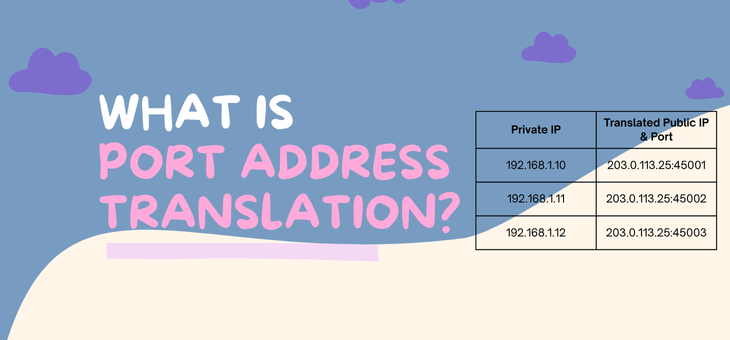
What is PAT in Networking? Full Form, ...
28 Jul 2025Upcoming batches


Contact learning advisor